Parable of the Unmerciful Servant
Scripture: Matthew 18:23-35
A. Background.
In order to understand this parable better we need to know some information which the Disciples grew up with. It is important that we understand the context of the time. This parable revolves around the issue of forgiveness. When Peter approached Jesus with the question about how many times he should forgive his brother and then offers the tremendous figure of seven times instead of the standard three or four. This comes from a Rabbinic 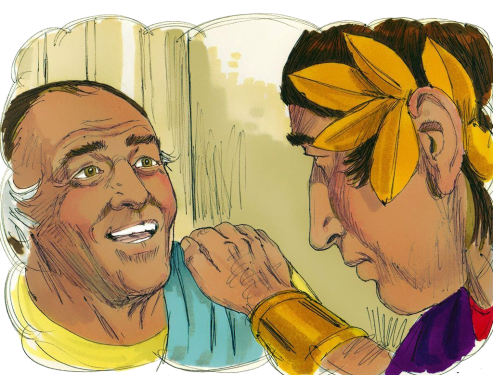 sayings (Talmud), "If a man transgresses once, forgive him; if a second time, forgive him; if a third time, forgive him; if a fourth time, do not forgive him." Peter then received an answer which he was not expecting.
Jesus was clearly going beyond their historical precedence for forgiveness, when Jesus said that Peter should forgive seventy-seven times. This really means that he should forgive unlimited times. The kingdom of God is not about personal righteousness or counting how many times one has forgiven others but rather, a matter of transformation.
The Jewish law forbade torture. Then the servant takes his fellow servant by the neck. The Greeks talked about choking the life out of a debtor when they meant dragging him to court.
Jesus directed this parable to his twelve disciples; it was not meant to confuse or challenge the thinking of the multitude or the crowds. He introduced it directly after a response to Peter's question about the nature and need for forgiveness.
1. What is forgiveness?
Forgiveness is "to cease to feel resentment against an offender" or "to grant relief from payment of debt." (Merriam-Webster). In simple terms - to forgive is to let go of the wrongs that have been done to us. The Bible changes some of the terms, debt is replaced with sin. Forgiveness is God's promise to not count our sins (our debt) anymore.
Forgiveness in the Bible is a "release" or a "dismissal" of something. The forgiveness we have in Jesus Christ involves the release of sinners from God's just penalty and the complete dismissal of all charges against them. The penalty of sin is death. In Colossians 1:14 we see that in God's beloved Son "we have redemption, the forgiveness of sins."
2. The struggle we face.
The topic of forgiveness in the Bible is extensive. Many Christians struggle to actually put what the Bible says into practice. We all faced situations where somebody did something very serious to us or our family and is very hard for many as it bring back painful memories. To forgive this responsible person is not be easy.
The reality is forgiveness is HARD. But while hard, forgiveness also offers us a way into a better life. The freedom that we can experience is worth it. It can also bring healing which some of us needed for a long time.
B. Introduction.
The Parable of the Unforgiving Servant is in Matthew 18:23-35. It is only found in the Gospel of Matthew. It is also known as the Parable of the Unforgiving Creditor or Ungrateful Servant or Wicked Servant.
Jesus was a masterful storyteller and teacher. Jesus used parables to teach and he intentionally separated those with attentive ears from those with hardened hearts. The parable of the unforgiving servant is no exception. In this parable Jesus teaches how to do something most of us struggle with and this is forgiveness.
Forgiveness is not just bestowed upon us. We are called to forgive those around us. Our forgiveness of those who have sinned against us is a reflection of God's forgiving our sins. Forgiveness means that God is letting go of the wrongs that we have committed against Him. In response we are to do the same for those that have wronged us.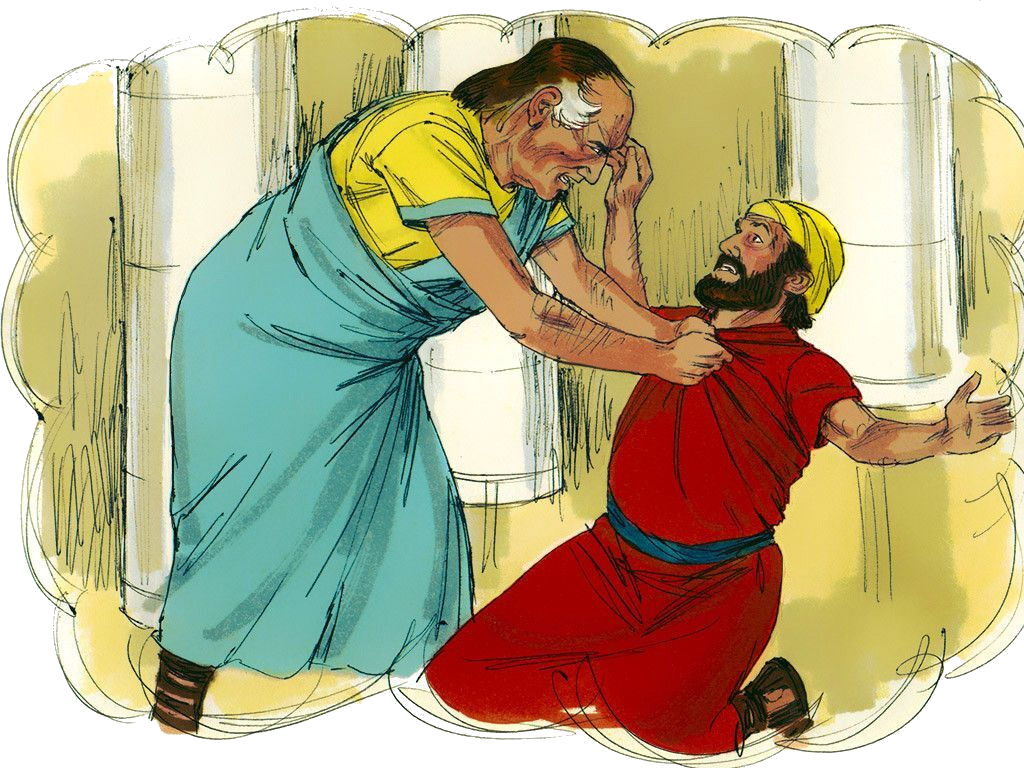
When we refuse to forgive a person it demonstrates resentment, bitterness, and anger, none of which are the traits of a growing Christian. Biblical forgiveness is not just something that the offended person offers; it requires the offender to receive it, bringing reconciliation to the relationship.
Jesus told this parable to emphasize the importance of forgiving others as God has forgiven us.
The parable speaks of the two-faced nature of the human predicament. It also serves as a warning to those who do not want to forgive others. I believe if you take a few minutes to study the parable of the unforgiving servant's meaning, your life and faith will be challenged and encouraged.
Jesus introduced his disciples (and us today) to three primary characters: There's a king, a servant who owed the king a considerable amount of money, and a servant of the first servant, who owed that first servant a small amount of money.
C. Key Terms used in this parable.
1. king - The king is the heavenly Father. Everything that we have and do, including our hope of an eternal life, comes from the Father.
2. master - refers to the Lords forgiving of the enormous debt of the servant. Our debts of sin and death were paid for with the blood of Jesus Christ.
3. servants - The servants are the servants and believers in the Kingdom of Heaven. These servants continue to be vulnerable to the sins of the mind and flesh; some more than others. The servants must, therefore, petition the Father to forgive us our sins (debts).
4. account - The accounts are what we owe the Heavenly Father. The accounts are the records of what the Lord's servants owe Him.
5. debt - represent a debt to God of the greatest order. The 10,000 talents - The metaphor offers an amount that is, theoretically, impossible to pay back. Only through the grace of God and the blood of Jesus is man redeemed. Left alone, man is hopelessly lost.
6. first servant - represents a servant who has the very great debt, is all those who have sinned against the Lord. If we as sinners petition the Lord, He will forgive us our sins (debts). If we faithfully ask, God will forgive us.
7. fellow servant - represents a servant who has sinned against us. The wicked servant made no application and transfer of the principle of God's grace given to him, and the principle of the grace that he should extend to a fellow servant of God. However, Jesus had taught from the beginning that fellow servants should forgive one another, even as the father forgives them. Jesus taught the disciples to pray the "The Lord's Prayer - Matt 6:12-15".
8. 10,000 talents (bags of gold) - a talent was worth about 20 years of a day labourer's wages - This is a huge debt.
9. 100 denarii - represents a few dollars, a minor debt, of little consequence and of the lowest order. Compared to the forgiveness of the Lord of our great debt, forgiving our brethren is inconsequential. The wicked servant could not manage this forgiveness. When man compares his spiritual debt to the heavenly Father, he should see that his brother's debt amounts to nothing.
10. took him by his neck - means to choke or strangle. The Roman and Greek practice was to grasp a debtor by the neck and rush him half-throttled to court. The Greeks talked about choking the life out of a debtor when they meant dragging him to court.
11. jailor and torture - represent man's final punishment if he is unforgiving. In Revelations 20:14-15 we see that those whose names are not in the book of life will be thrown in the lake of fire. What is at risk, if we do not forgive our brother, is our eternal life.
D. Meaning of this Parable.
Jesus brought news of the new reality of unlimited forgiveness of sins for those who trust in God.
This parable can be divided into three sections.
1. The first section illustrates the boundless grace of God in forgiving sins, as the king forgave his servant. The bible says, "The servant's master took pity on him, cancelled the debt and let him go." The spiritual truth is even stronger and more incredible than that. Our king did not just cancel the debt, he gave his only son to take our place and pay the debt we owed. That is mercy and grace!
God stands ready to forgive you of your sins if you will ask him in faith. There is abundant mercy available if you will only turn to him in repentance and faith.
2. In the middle section, the second servant underlines the absurdity of grace spurned; one who has been forgiven so much and yet so mistreats his fellow debtor does not serve to live. 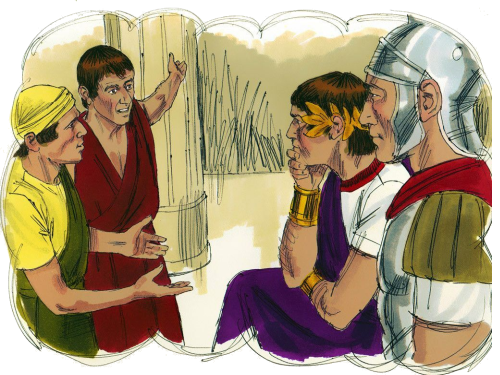
But look at our servant. Somehow he missed the whole point. He asked for more time so he could pay the king back. The king said he had forgiven him and cancelled the debt, but it's like he couldn't hear it, he couldn't believe it. He couldn't receive God's forgiveness and mercy. He thought, like some Christians that mercy and grace were just too good to be true. Perhaps that is what led him to act as he did toward his fellow servant. Look what happens. He had been forgiven so much, yet he refused to forgive this man the tiny debt he owed even though the other servant begged him to be patient. So the wicked servant looks to collect debt rather than share forgiveness and that's when things went wrong. The compassion he was shown didn't impact his heart. While the wicked servant had experience forgiveness, he failed to let it change his heart.
The servant could have created a cycle of forgiveness and mercy and blessing that would have changed everything for himself, his family and his future. Instead, he failed to accept the master's forgiveness and refused to show forgiveness to others.
3. The final section depicts a warning and the fate awaiting the unforgiving, as the wicked servant discovered to his ruin. Jesus ends with a warning, "This is how my heavenly Father will treat each of you unless you forgive your brother or sister from your heart." Matthew 18:35
Because God has first forgiven us, we are enabled to forgive with the true limitless forgiveness implied in this parable. The realities of the kingdom of God call us to accountability both to God and to our brothers and sisters or to people around us.
In the parable this wicked servant was turned over to the torturers until he paid back all he owed. It is a powerful picture of those who refuse to forgive others. Failure to forgive others results in a tortured life. This servant was looking to collect debt rather than to share forgiveness and that is when things went wrong.
This parable means that we should forgive others as God has forgiven us, emphasizing the importance of mercy, and the moral that we cannot expect to receive forgiveness if we are unwilling to extend forgiveness to others.
This parable highlights the virtue of God's mercy and the consequences of not showing mercy to others when we ourselves are recipients of divine mercy. 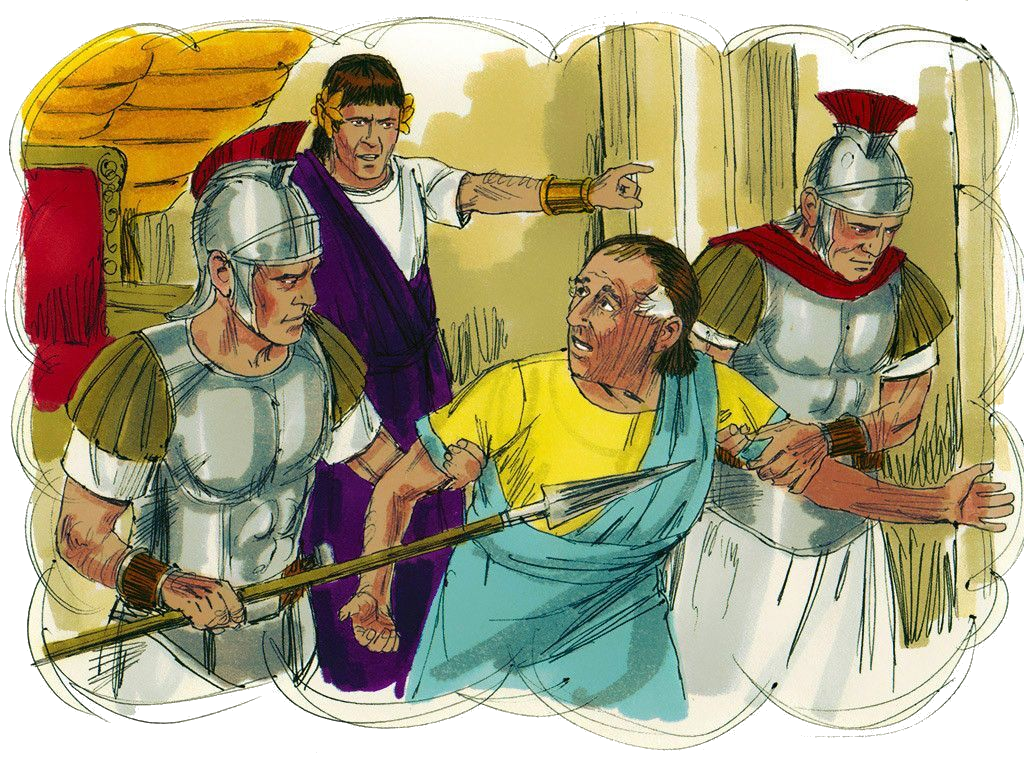
E. The Disciples learned the following:
1. The disciples learned of the radicalness of the kingdom of God.
2. They learned of the depth of their immoral ways of behaving (depravity).
3. They learned the limitless depth of God's forgiveness.
4. They learned the responsibility that they have to model forgiveness to others.
F. Important Lessons for believers in this parable.
Forgiveness is a big deal. Forgiveness is not easy. But it is necessary for followers of Jesus. Without forgiving we will be unable to be forgiven. Our lives will suffer. If you want to live the good life that God has for you then you need to be willing to forgive.
The servant could have created a cycle of forgiveness and mercy and blessing that would have changed everything for himself, his family and his future. Instead, he failed to accept the master's forgiveness and refused to show forgiveness to others.
Practical lessons that we can apply to our lives today.
1. We cannot repay our own debt.
The servant in this story racked up an insurmountable debt. There was no way he could ever repay it on his own. And because of that debt he was destined to a life of misery.
Similarly, each person has an insurmountable debt: sin (Romans 3:23). The consequence of this debt is eternal separation from God. We are incapable of repaying our debt and without the action from an outside source we have no hope.
2. Forgiveness Is Not Optional.
The primary lesson is that, as Christians, we are called to forgive others just as God has forgiven us, without setting limits on our forgiveness. No matter how much a person has sinned against you, God commands you to forgive them if they show repentance.
We can forgive others because we received forgiveness. Because of this forgiveness we are set free. Our debts are forgiven. We were forgiven so that we can forgive. Just as we received undeserved forgiveness we are called to do the same. We don't forgive those who deserve, we forgive those who don't deserve. That's the nature of forgiveness. It goes to those who are in the wrong
3. Forgiveness Is a Reflection of God's Mercy.
The parable teaches that our ability to forgive should mirror the vast forgiveness we have received from God. God offers us underserved forgiveness. God does for us what we are incapable of doing for ourselves. We should not miss the significance of this. We do not deserve forgiveness. We are not worthy of saving. We deserve death, but God gives us life instead. God gives us what we need, not what we deserve. God is good, even when we are not.
4. Forgiveness Is an Act of Grace.
Forgiving someone is not about whether they deserve it or not. It is an act of grace, just as we have been graciously forgiven by God through Jesus' own sacrifice on the cross. It is about embodying the grace and mercy that we have been shown and extending it to others, which is a fundamental aspect of Christian living.
5. Forgiveness Is a Matter of the Heart.
An important lesson is that true forgiveness comes from the heart and is not just a verbal declaration. It involves letting go of resentment and offering genuine reconciliation.
This kind of forgiveness involves a deep emotional release and a decision to no longer hold the offence against the person. Forgiveness from the heart is a reflection of God's forgiveness towards us. It is a profound act that not only sets the offender free but also liberates the forgiver from the toxic chains of un-forgiveness. Our Lord expects forgiveness from the heart (true forgiveness) for as many times as it takes.
6. Un-forgiveness Has Consequences.
Un-forgiveness blocks the flow of forgiveness to us and through us. Holding onto grudges can lead to spiritual and relational consequences, as seen in the punishment of the unforgiving servant. A grudge that stems from a minor offense or a major problem with someone will continue to grow in sin as the offended person finds more at fault with the person they are frustrated with.
Vengeance is for the Lord, and holding a grudge against somebody would go against what God says and this is sinful.
7. Healing is possible through forgiveness.
When we are harbouring hatred in our hearts we think that we are hurting the person who wronged us. But in reality we are only hurting ourselves. We are torturing ourselves.
Un-forgiveness grows bitterness in our heart. It festers. The Bible tells us that and science has proven it to be true. It can lead to real symptoms such as depression, anxiety, heart issues, stress, and diabetes which will affect our health.
When we forgive we are set free. We can experience the good life that God has for us. True forgiveness comes from the heart. When we say we will forgive but we will never forget then we are still carrying the hurt which happened. This forgiveness does not come from the heart. It is not true forgiveness and we did not receive freedom.
8. Our love for God is shown in our treatment towards others.
We are able to forgive because we are forgiven. It is an expectation for the followers of Jesus.
Forgiveness should be one of the hallmarks of the community of believers. Sadly, Christians would often hold onto grudges than extend forgiveness.
Forgiveness is possible and freedom can be experienced. Your love for God is shown by how you forgive those around you. I'm not saying this will happen over night. Some have experienced severe trauma. It might take years and lots of counselling.
G. Conclusion.
The parable of the unforgiving servant teaches us the importance of receiving the forgiveness of God and extending it to those who have wronged us. This parable is not about fairness. It is a way out of the cycle of un-forgiveness so many believers are trapped in.
We live in a world where we are looking for fairness, judgement and righteousness. This is the world system we are living in but we are not part of this. I know that forgiveness can be very hard in some difficult situations and then we behave like we are still in this world and then we want justice, etc. I have experienced it.
We went through some difficult situations. It took years to be resolved. God intervened when we were already suffering. If you have bitterness in your life then forgiveness is the answer. It can be very hard as it bring back memories and pain, but it can bring healing and freedom.
Do you think it was easy for Abraham to be obedient to God and took his only son to be a sacrifice?
Obedience was more important to him. Do you think it was easy for the Father, God, to let His only Son to be a sacrifice for the world and who took the sins of the world on Himself? Jesus laid down His life and paid with His blood for the sins of the world. Jesus was obedient to His Father when he did it. God wants us to forgive others.
The world's justice and righteousness is not for us. God will deal with those who wronged us or hurt us. God commanded us to love one another. We need to love everyone including or enemies. If we cannot forgive some then it also means that the love for that person is missing. In our heart we hate them for what they did. If you are suffering from a certain sickness and you cannot get healing for it, it means that the root of this sickness is grounded in un-forgiveness.
The punch of this parable is the difference between the two debt amounts - 10,000 talents and 100 denarii's (100 silver coins). Remember that we have been forgiven an equivalent of 10,000 talents.
To help us to forgive others is to remind ourselves that whatever the other person has done to us can be compared to 100 denarii's. Forgiveness is possible through Jesus and what he has done for us and what he is doing in us. You can experience the freedom of forgiveness when you run into his grace.
Maybe this is touching you at this moment. Consider forgiveness - True forgiveness comes from the heart.